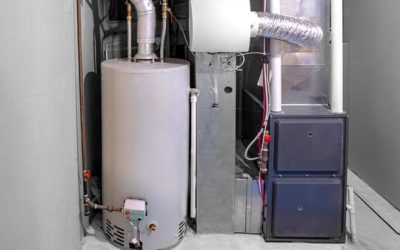

Choosing a bigger Furnace may sound like the safest way to keep your house warm, but bigger is not automatically better. An oversized furnace may heat the house quickly, shut off, and restart again soon afterward. An undersized unit may run for long periods while struggling to keep rooms comfortable. At Garnett Heating & Air, we look beyond square footage when selecting heating equipment. Insulation, windows, air leakage, ductwork, ceiling height, layout, and local winter conditions all affect how much heat a home actually needs. That matters for homeowners planning furnace installation in Spotsylvania, VA. Two homes with the same square footage can need different furnace capacities because their construction and energy performance are different.
What Size Furnace Do I Need for My Home?
The correct furnace size is based on your home’s heating load, not square footage alone. Furnace capacity is commonly measured in BTUs per hour, but calculating how many BTUs a home needs requires looking at insulation levels, windows and doors, air leakage, ceiling height, home orientation, ductwork, floor plan, and local outdoor temperatures. The U.S. Department of Energy recommends recognized load-calculation methods instead of relying only on simple rules of thumb because oversized HVAC equipment can waste energy, cost more, and cycle on and off too frequently. ACCA Manual J is a widely used residential load-calculation method for determining heating and cooling needs. At Garnett Heating & Air, we also evaluate the home’s size, ductwork, insulation, existing equipment, and heating needs before recommending a new furnace. The goal is to choose equipment that can maintain comfortable temperatures without being unnecessarily large or forced to run constantly.
Can You Size a Furnace by Square Footage Alone?
Square footage is useful, but it should only be a starting point. Online charts may assign a certain number of BTUs to each square foot, but they cannot account for every home’s differences. Consider two 2,000-square-foot houses. One may have newer windows, strong insulation, sealed ducts, and standard ceilings. The other may have older windows, limited insulation, vaulted ceilings, and significant air leakage. The second home may need more heating even though both have the same floor area. The U.S. Department of Energy warns that rules of thumb can lead to oversized HVAC systems. A proper heating load calculation gives a more reliable basis for selecting equipment.
What Is a BTU and Why Does It Matter?
BTU stands for British Thermal Unit. For furnaces, BTU ratings describe heating capacity. A higher BTU rating means the furnace can produce more heat, but that does not mean higher is always better. The system needs enough capacity to replace the heat your home loses during cold weather. If the furnace is too small, it may run for long periods and still struggle to reach the thermostat setting. If it is too large, it may heat the area around the thermostat quickly and shut down before heat is distributed evenly. Proper furnace sizing is about finding the right balance.
What Factors Determine the Right Furnace Size?
Several parts of your home affect heating demand.
Insulation
Better insulation slows heat loss through walls, ceilings, and floors. A well-insulated home may need less heating capacity than a similar home with poor insulation.
Windows and Doors
Older or poorly sealed windows and doors can allow warm air to escape and cold air to enter.
Ceiling Height
Homes with tall or vaulted ceilings contain more air than homes with standard ceilings, so square footage alone may not reflect their heating needs.
Air Leakage
Gaps around windows, doors, attic penetrations, and other areas can increase heat loss.
Home Layout
Open floor plans, additions, multiple floors, and room placement can all affect how heat moves through the house.
Local Climate
Outdoor winter design temperatures are part of a proper heating-load calculation. A furnace should be selected for the conditions the home is expected to experience.
What Is a Manual J Load Calculation?
Manual J is a residential heating and cooling load-calculation method developed by the Air Conditioning Contractors of America. The U.S. Department of Energy recognizes ACCA Manual J as a method contractors can use to determine residential heating and cooling loads. The calculation considers more than floor area. It may include insulation, wall and roof construction, windows, doors, air leakage, orientation, and local climate. The result helps determine how much heating capacity the home actually needs. For homeowners planning furnace installation, this is more reliable than automatically replacing an old furnace with another unit of the same size. The old system may have been oversized or undersized from the beginning.
What Happens if a Furnace Is Too Big?
An oversized furnace can create comfort and efficiency problems. One of the most common is short cycling. The furnace heats the home quickly, reaches the thermostat setting, and shuts off before completing a longer, steadier cycle. Then the temperature drops and the furnace starts again. The Department of Energy notes that oversized HVAC systems can lead to frequent cycling, wasted energy, higher equipment costs, and reduced comfort. Short cycles may also make temperatures less even because some rooms may not receive enough heated air before the system shuts down. Buying more capacity than the home needs is not necessarily an upgrade.
What Happens if a Furnace Is Too Small?
An undersized furnace can have the opposite problem. It may run for long periods because it cannot produce enough heat to meet the home’s heating demand during colder weather. You may notice rooms that remain chilly, a thermostat that rarely reaches the desired temperature, or a furnace that seems to run constantly. However, long run times do not automatically prove the furnace is too small. Dirty filters, duct leakage, airflow problems, insulation issues, or equipment problems can create similar symptoms.
Garnett Heating & Air also provides furnace repair in Spotsylvania when the problem may be repair-related rather than a sizing issue.
Does Furnace Efficiency Affect Sizing?
Yes. Furnace efficiency is commonly expressed as AFUE, or Annual Fuel Utilization Efficiency. A higher-efficiency furnace converts a greater percentage of its fuel into useful heat. Contractors consider both rated input capacity and usable output when matching equipment to a home’s calculated heating load. This is another reason simply comparing BTU numbers on furnace labels can be misleading. Efficiency and capacity need to be considered together.
Should You Replace Your Old Furnace With the Same Size?
Not automatically. Your old furnace’s capacity is useful information, but it does not prove the original system was correctly sized. The house may also have changed over time. You may have added insulation, replaced windows, sealed air leaks, remodeled rooms, built an addition, or changed the ductwork. Any of these improvements can affect the home’s heating load. Garnett Heating & Air’s guide on choosing the right furnace based on home size explains why replacement decisions should consider the house itself rather than simply matching the old equipment.
Does Ductwork Matter When Choosing Furnace Size?
Yes. The furnace and ductwork need to work together. A new furnace may be capable of moving more air than existing ducts can handle efficiently. Leaky, damaged, undersized, or poorly designed ducts can also reduce comfort even when the furnace itself is correctly sized. During furnace installation in Spotsylvania, Garnett Heating & Air evaluates factors such as square footage, ductwork, insulation, existing equipment, and heating needs before recommending a system. That helps identify situations where the furnace is only one part of the comfort problem.
How Do You Know if Your Furnace Is the Wrong Size?
An incorrectly sized furnace can show several symptoms.
An oversized furnace may:
- Turn on and off frequently
- Heat the area around the thermostat very quickly
- Create uneven room temperatures
An undersized furnace may:
- Run for long periods
- Struggle during colder weather
- Have trouble reaching the thermostat setting
These symptoms can overlap with filter, duct, thermostat, blower, or insulation problems. That is why the complete system should be evaluated before assuming furnace size is the cause.
Why Choose Garnett Heating & Air for Furnace Sizing and Installation?
At Garnett Heating & Air, we have served Spotsylvania, Fredericksburg, and surrounding Virginia communities since 1957. Our local installation process begins by evaluating the home rather than simply selecting equipment from a square-foot chart. For furnace installation in Spotsylvania, VA, we consider square footage, insulation, ductwork, layout, existing equipment, and heating needs before presenting furnace options. Our team also provides residential HVAC services in Spotsylvania, including heating and cooling repair, installation, and maintenance. Our goal is to match the furnace to the home instead of assuming a larger system will provide better comfort.
Frequently Asked Questions
How Many BTUs Does a 2,000-Square-Foot Home Need?
There is no single correct BTU number based on square footage alone. Insulation, windows, ceiling height, air leakage, climate, and construction all affect heating demand. A load calculation gives a more reliable answer.
Can an HVAC Contractor Use My Old Furnace Size?
The old furnace rating is useful, but it should not be the only basis for replacement. The original furnace may have been incorrectly sized, and the home may have changed since installation.
Does a Two-Story Home Need a Larger Furnace?
Not automatically. Total heating capacity still depends on factors such as insulation, square footage, windows, air leakage, ceiling height, ductwork, and layout.
Can Better Insulation Reduce the Furnace Size I Need?
Potentially. Better insulation and air sealing can reduce heat loss, which may lower the home’s calculated heating load. A professional calculation should confirm the effect.
Final Thoughts
Choosing the right Furnace is not about finding the largest unit you can afford. It is about matching heating capacity to the home. Square footage matters, but so do insulation, windows, ceiling height, air leakage, ductwork, layout, furnace efficiency, and Spotsylvania’s winter conditions. The U.S. Department of Energy recommends calculating heating and cooling loads instead of relying only on simple sizing rules because oversized systems can create frequent cycling, energy waste, and comfort problems. If you are replacing an older system, take the opportunity to evaluate your home’s current heating needs instead of automatically installing the same capacity again.
Get the Furnace Size Right Before Installation
If you are planning furnace installation in Spotsylvania, VA, schedule a home assessment with Garnett Heating & Air. We can review your home’s layout, insulation, ductwork, existing equipment, and heating needs so you can choose a furnace based on the property rather than guesswork.
Follow our social media pages below: