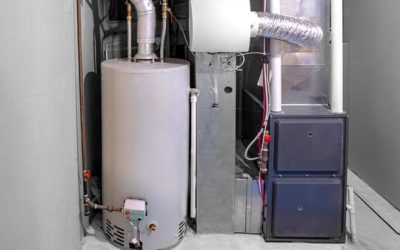

A Furnace that turns on, runs for a short time, shuts off, and then starts again can quickly become frustrating. You may still have heat, but the constant cycling makes it feel like the system is never settling into a normal rhythm. It may also leave rooms uncomfortable and make you wonder whether a larger breakdown is coming. This pattern is commonly called short cycling. At Garnett Heating & Air, we treat short cycling as a symptom rather than a diagnosis. A dirty filter, thermostat problem, restricted airflow, overheating, incorrect furnace sizing, or a failing component can all create similar behavior. For homeowners looking for furnace repair in Fredericksburg VA, the important step is finding out why the furnace is shutting down early rather than repeatedly restarting it and hoping the problem disappears.
Why Does My Furnace Keep Turning On and Off?
A furnace that repeatedly turns on and off may be short cycling, which means the heating cycle ends before the system completes a normal run. Common causes include a dirty air filter, restricted airflow, thermostat problems, overheating, an oversized furnace, electrical issues, or a malfunctioning safety control. A clogged filter is one of the simpler possibilities because reduced airflow can prevent heat from moving away from the furnace efficiently. The U.S. Department of Energy explains that dirty filters can significantly reduce airflow, increase energy use, and place additional wear on HVAC equipment. However, short cycling should not automatically be blamed on the filter. If replacing a dirty filter and checking basic thermostat settings do not correct the problem, an HVAC technician should inspect the furnace, airflow, controls, and safety components. Persistent short cycling can increase equipment wear and may point to a problem that needs professional attention.
What Is Furnace Short Cycling?
Short cycling happens when the furnace starts and stops more frequently than expected. A normal heating cycle gives the system enough time to move the indoor temperature toward the thermostat setting before shutting down. With short cycling, the furnace may operate for only a short period before stopping and then restart again soon afterward. There is no single cycle length that proves a furnace is short cycling. Weather, thermostat settings, insulation, equipment size, and heating demand all influence how long a normal cycle lasts. The key warning sign is a noticeable change from your furnace’s normal operation, especially when it is accompanied by poor heating, unusual noises, or other performance problems.
Can a Dirty Furnace Filter Cause Short Cycling?
Yes. A dirty air filter can contribute to short cycling. The filter sits in the return-air path and helps prevent dust and debris from reaching HVAC components. As the filter becomes clogged, normal airflow can decrease. The U.S. Department of Energy’s Building Science Education program explains that a clogged furnace filter can significantly reduce airflow, increase energy consumption, and increase wear on the blower motor. Restricted airflow may also prevent heat from moving through the system properly. If the furnace becomes too hot, a safety limit can shut down the heating cycle. Homeowners can inspect and replace an accessible filter as a basic first step. If the furnace continues turning on and off after the filter is replaced, another issue is probably involved.
Can a Thermostat Cause a Furnace to Keep Turning On and Off?
Yes. The thermostat tells the furnace when the home needs heat and when the desired temperature has been reached. A malfunctioning thermostat may send inconsistent signals. Problems can also occur when the thermostat is incorrectly configured, loses power, or is positioned in an area that does not accurately represent the home’s temperature. Before arranging furnace repair in Fredericksburg, VA, check that the thermostat is set to Heat and that the selected temperature is above the current room temperature. If the thermostat uses batteries, replace weak batteries if needed. If basic adjustments do not correct the problem, the thermostat and furnace controls may need professional testing.
Can a Furnace Shut Off Because It Is Overheating?
Yes. Furnaces include safety controls that help prevent unsafe temperatures. If airflow is restricted or another part of the system is not operating properly, temperatures inside the furnace may rise too high. The system may shut down the burners as a protective response. After the equipment cools, the furnace may start again, creating an ongoing pattern of short heating cycles. A dirty filter can contribute, but other causes may include blocked vents, blower problems, duct restrictions, or mechanical issues. Repeated overheating should not be ignored. A technician should determine why the furnace cannot maintain normal airflow or temperature.
Can an Oversized Furnace Cause Short Cycling?
Yes. A furnace that is too large for the home’s heating needs may raise the temperature near the thermostat very quickly. The thermostat then tells the furnace to shut down before the system has completed a longer, steadier cycle. ENERGY STAR notes that oversized heating and cooling equipment can short cycle, resulting in excessive wear and potentially shorter equipment life. Oversizing may also create uneven comfort because the furnace can satisfy the thermostat before heated air has circulated properly throughout the house. Correct sizing involves more than square footage. Insulation, windows, ceiling height, air leakage, ductwork, home layout, and local climate all affect heating requirements. If the furnace has cycled this way since installation, equipment sizing may be worth evaluating.
Can Blocked Vents Cause Furnace Short Cycling?
Blocked or closed vents can contribute to airflow problems. The furnace and duct system are designed to move a certain amount of air. Closing many supply registers or covering return vents with furniture, rugs, or other objects can interfere with that airflow. Walk through your home and make sure supply and return vents are open and unobstructed. Avoid closing many vents as a routine way to control temperatures between rooms. If certain rooms remain uncomfortable, the underlying issue may involve duct design, balancing, insulation, or equipment performance rather than the vents themselves.
Can a Flame Sensor Cause Short Cycling?
A dirty or malfunctioning flame sensor can cause some gas furnaces to shut down shortly after ignition. The flame sensor is a safety component that helps verify that the burners have ignited properly. If the system cannot confirm a flame, it may stop the gas supply. From the homeowner’s perspective, this may look like the furnace starting normally and shutting down almost immediately. Flame sensors, burners, and combustion equipment are not appropriate DIY projects. If the furnace repeatedly ignites and shuts down within a very short time, professional diagnosis is the safer approach.
Can Furnace Short Cycling Increase Energy Bills?
It can. Frequent starts and stops prevent the furnace from operating in a steady pattern and may indicate another problem that is already reducing system performance. For example, the Department of Energy notes that dirty filters can increase energy consumption because HVAC equipment must work harder to move air. Short cycling also creates more starts and stops, which may increase wear on components. If your heating costs have risen around the same time the furnace started cycling unusually, mention both symptoms when arranging service.
When Should Furnace Short Cycling Be Checked by a Professional?
Schedule service when the cycling continues after checking the thermostat, filter, vents, and power. You should also call sooner if the furnace produces weak heat, unusual noises, repeated ignition problems, burning odors, or struggles to maintain the thermostat setting. Garnett Heating & Air’s furnace repair service addresses problems including short cycling, weak airflow, strange noises, and inconsistent heating. For furnace repair, a technician can evaluate airflow, thermostat operation, burners, flame sensing, electrical components, blower performance, and safety controls rather than guessing which part is responsible.
Can Furnace Maintenance Help Prevent Short Cycling?
Regular maintenance can reduce the chance of some short-cycling problems, although it cannot prevent every component from eventually wearing out. Routine service can identify airflow concerns, dirty components, control problems, and developing mechanical issues before they cause a larger failure. ENERGY STAR recommends regular filter inspection and pre-season HVAC maintenance to help equipment operate properly. Garnett Heating & Air’s furnace maintenance service includes system inspection and testing designed to identify heating problems before the busiest part of winter.
Why Choose Garnett Heating & Air for Furnace Short Cycling?
At Garnett Heating & Air, we have served Fredericksburg and surrounding communities since 1957. When a furnace keeps turning on and off, we focus on identifying the reason rather than replacing parts based on a guess. Our heating services in Fredericksburg include furnace repair, maintenance, and other heating-system services. For homeowners who need furnace repair in Fredericksburg, VA, our goal is to explain what is happening in simple terms and determine whether the problem involves maintenance, airflow, thermostat controls, a repairable component, or a larger equipment issue.
Frequently Asked Questions
How Often Should a Furnace Normally Turn On and Off?
There is no universal number of cycles per hour. Weather, furnace size, thermostat settings, insulation, and heating demand all influence normal cycle length. Short cycling is generally identified by unusually brief heating periods and frequent restarts.
Will Changing the Filter Stop Furnace Short Cycling?
It may if restricted airflow from a dirty filter is responsible. If replacing the filter does not change the cycling pattern, another issue should be investigated.
Is Furnace Short Cycling Dangerous?
Short cycling is a symptom rather than one specific problem. Some causes are minor, while others can involve overheating, ignition, electrical, or safety-control issues. Persistent cycling should be checked.
Can a Bad Thermostat Cause Short Cycling?
Yes. A malfunctioning or incorrectly configured thermostat can send inconsistent signals to the furnace. If basic setting and battery checks do not help, professional testing may be necessary.
Does Short Cycling Mean I Need a New Furnace?
Not necessarily. Filters, thermostats, airflow problems, and repairable components may all cause short cycling. Replacement becomes more relevant when the issue is related to incorrect sizing, repeated major failures, or an aging system with broader problems.
Final Thoughts
A Furnace that keeps turning on and off is usually showing you that something is interfering with normal operation. Sometimes the solution is simple, such as replacing a clogged filter or correcting a thermostat setting. Other cases involve airflow restrictions, overheating, equipment sizing, ignition problems, or failing components. Start with the safe basics: check the thermostat, filter, vents, and furnace power. If the cycling continues, avoid repeatedly resetting the system. Finding and correcting the actual cause is more useful than allowing the furnace to keep starting and stopping. If your furnace is short cycling or struggling to heat your home consistently, contact Garnett Heating & Air to schedule an inspection. We can diagnose the cause and explain the appropriate next step for your heating system.
Get to the Bottom of Repeated Furnace Cycling
If your furnace keeps starting and stopping, reach out to Garnett Heating & Air. We can inspect the system, check airflow and controls, and explain what is causing the short cycling so you can decide on the appropriate next step.
Follow our social media pages below: