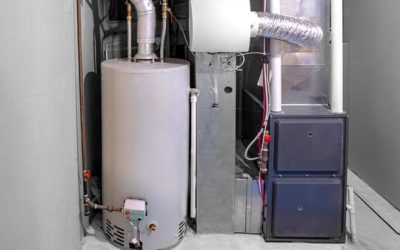

A Furnace is never completely silent, but most homeowners get used to the normal sounds their heating system makes. That is why a sudden bang, rattle, squeal, hum, or scraping noise can get your attention quickly. Some furnace noises come from relatively simple issues, such as a loose panel or duct movement. Others can point to worn moving parts, restricted airflow, ignition trouble, or a component that needs professional attention. At Garnett Heating & Air, we tell homeowners not to judge the problem by volume alone. The type of sound, when it happens, how long it lasts, and whether the furnace is still heating normally all provide useful clues. For homeowners looking for furnace repair in Spotsylvania, VA, the safest approach is to pay attention to new sounds early instead of waiting for the furnace to stop working completely.
Why Is My Furnace Making a Loud Noise?
A furnace can make loud or unusual noises when a component is loose, worn, dirty, misaligned, restricted by poor airflow, or experiencing an ignition or mechanical problem. Banging may come from loose parts or, in some gas furnaces, delayed ignition. Rattling can be caused by a loose access panel, ductwork, or another vibrating component. Squealing may point to a blower motor, bearing, belt, or other moving part. Scraping can indicate that metal components are contacting each other, while persistent humming may be related to a motor or electrical issue. Some sounds are relatively minor, but others should not be ignored, especially if they happen with burning odors, gas smells, poor heating, repeated shutdowns, or a carbon monoxide alarm. If a new furnace sound is loud, persistent, getting worse, or affecting system performance, professional inspection is the safest next step.
What Does a Banging Noise From a Furnace Mean?
A banging sound can have several possible causes. If the noise happens while the blower is running, a loose panel, duct section, or internal part may be vibrating or shifting. If a gas furnace makes a noticeable bang shortly after the burners try to ignite, delayed ignition may be involved. That type of problem deserves professional attention because combustion equipment should not be adjusted by homeowners. The timing of the sound is useful information. A bang during startup can point to a different issue than a noise that happens continuously while air is moving. If you call for furnace repair in Spotsylvania, VA, note when the sound begins and how long it lasts.
Why Is My Furnace Rattling?
Rattling is one of the more common furnace noises. A loose access panel, screw, vent cover, or piece of ductwork may vibrate when the blower starts. However, a persistent rattle from inside the furnace can also indicate that a component has loosened or is wearing out. You can listen for where the sound seems strongest and make sure exterior panels or nearby registers do not appear obviously loose. Avoid removing furnace panels or reaching into the equipment while it is running. Garnett Heating & Air’s Spotsylvania furnace repair service can help determine whether the noise is coming from a simple vibration or an internal component.
What Does a Squealing Furnace Mean?
A high-pitched squeal often points toward a moving component. Depending on the furnace design, possible causes include a blower motor, motor bearing, belt, or another rotating part. Not every furnace uses the same belt-driven design, so the exact source depends on the equipment. The important clue is whether the sound is new. If the furnace suddenly develops a high-pitched squeal after years of quieter operation, the component should be inspected before wear becomes more severe. Regular furnace maintenance can also help identify worn moving parts before they become louder problems.
Why Is My Furnace Making a Scraping or Grinding Sound?
Scraping and grinding sounds deserve prompt attention. These noises may indicate that moving parts are rubbing together or that a blower-related component is no longer aligned correctly. Continuing to operate the furnace while metal parts are contacting each other may lead to additional damage. If the noise is severe or the furnace appears to be struggling, turn the system off and arrange professional service. Do not reach into the blower assembly or try to move internal parts while the furnace is energized. A technician can inspect the blower wheel, motor, bearings, mounts, and surrounding components to determine what is causing the sound.
Why Does My Furnace Hum or Buzz?
A low hum during normal operation can be completely normal. The concern is a humming or buzzing sound that becomes noticeably louder, appears when the furnace cannot start, or happens together with weak airflow or repeated shutdowns. Motors, transformers, relays, and electrical components can all create humming or buzzing noises. Because several components may sound similar, the noise alone usually does not provide a complete diagnosis. If the furnace hums but the blower does not start or the system is not producing heat, schedule service instead of repeatedly turning the system on and off.
Why Does My Furnace Make a Boom When It Starts?
A loud boom during ignition should not become something you simply accept. In some gas furnaces, delayed ignition can allow fuel to build briefly before lighting, producing a noticeable boom. Possible causes can include ignition or burner-related problems. Because this involves combustion equipment, a qualified technician should inspect it. Do not attempt to clean or adjust gas burners yourself. If the booming sound happens along with a gas odor, shut the system down, leave the area if necessary, and follow your gas utility’s emergency instructions.
Can a Dirty Furnace Filter Cause Noise?
Yes, indirectly. A dirty filter can restrict airflow and force the blower to work harder. That may lead to louder airflow, whistling near a return vent, or changes in blower noise. If your furnace has become louder and the filter has not been changed recently, checking it is one of the simplest homeowner steps. If replacing the filter does not change the sound, another issue is likely present. Routine maintenance can also help identify airflow restrictions and worn components before the system becomes noticeably louder.
Which Furnace Noises Are Dangerous?
The sound itself is only part of the picture. A furnace noise becomes more concerning when it appears with another safety warning.
Call for professional help promptly if unusual noises happen together with:
- A gas odor
- A burning smell
- Repeated ignition failure
- Visible soot
- A carbon monoxide alarm
The U.S. Consumer Product Safety Commission warns that malfunctioning fuel-burning appliances, including furnaces, can produce carbon monoxide. CPSC recommends having working carbon monoxide alarms on every level of the home and outside sleeping areas. If a carbon monoxide alarm sounds, move outside to fresh air, call emergency services, and do not reenter until responders say it is safe. A strange furnace noise does not automatically mean carbon monoxide is present, but combustion-related warning signs should never be ignored.
When Should You Call for Furnace Repair?
You do not need to call for every normal click, hum, or gentle airflow sound.
Service becomes more appropriate when the sound is:
- New
- Loud
- Repetitive
- Getting worse
- Coming from inside the furnace
- Accompanied by weak heat or poor airflow
- Happening with unusual odors or repeated shutdowns
For homeowners needing furnace repair, professional diagnosis is especially useful when you cannot identify the source from outside the equipment. The sooner a worn or loose part is found, the better the chance of correcting it before it causes additional damage.
Can Regular Furnace Maintenance Prevent Strange Noises?
Maintenance can help prevent some noise-related problems. A technician can inspect blower components, electrical connections, burners, filters, airflow, and belts where applicable. Garnett Heating & Air’s furnace maintenance service gives technicians a chance to identify worn or dirty parts before they create louder symptoms. Maintenance cannot stop every component from eventually wearing out, but it can help catch developing problems sooner.
Why Choose Garnett Heating & Air for Furnace Repair?
At Garnett Heating & Air, we have served Fredericksburg, Spotsylvania, and surrounding Virginia communities since 1957. Our team provides heating repair, maintenance, installation, and emergency HVAC service. When a furnace starts making unusual sounds, we focus on identifying the actual cause rather than guessing based only on the noise. Our Spotsylvania furnace repair service addresses banging, rattling, squealing, weak airflow, heating problems, unusual odors, and other furnace concerns. For homeowners searching for furnace repair in Spotsylvania, VA, our goal is to explain what we find in clear language and determine whether the problem involves airflow, a loose component, a worn motor part, an ignition issue, or another furnace problem.
Frequently Asked Questions
Is It Normal for a Furnace to Make Noise?
Yes. Furnaces normally make some sound when burners ignite, the blower starts, and ducts expand. The concern is a new or unusually loud noise such as banging, grinding, scraping, squealing, or repeated buzzing.
Should I Turn My Furnace Off if It Is Making a Loud Noise?
If the noise is severe, involves grinding or metal contact, or happens with unusual odors or ignition problems, shutting the furnace off and arranging service is a sensible precaution.
Can a Furnace Blower Motor Make a Squealing Noise?
Yes. Motors, bearings, belts on some systems, and other blower components can all create squealing sounds. A technician can determine which part is responsible.
Why Does My Furnace Bang Only When It Starts?
A startup bang may come from duct movement, a loose component, or an ignition problem. If the sound appears to come from the burner area, have the furnace inspected.
Final Thoughts
A noisy Furnace is not always an emergency, but a new sound should not automatically become something you learn to live with. Banging, rattling, squealing, grinding, humming, and popping can all point to different conditions. Some causes may be as simple as a loose panel or normal duct movement. Others may involve airflow restrictions, ignition problems, blower components, or worn mechanical parts. Pay attention to when the sound happens, whether it is getting worse, and whether the furnace is still heating normally. If unusual noise appears with gas odors, burning smells, or a carbon monoxide alarm, treat the situation as a safety concern and follow appropriate emergency guidance.
Have an Unusual Furnace Noise Checked Before It Gets Worse
If your furnace has suddenly started banging, rattling, squealing, grinding, or making another sound you do not recognize, contact Garnett Heating & Air. We can inspect the system, identify where the noise is coming from, and explain whether it needs a repair, maintenance, or further attention.
Follow our social media pages below: